For metal fabricators
Touch-Up Paint for Metal Fabricators
Custom touch-up supply for fabricated metal products that need finish repairs after handling, assembly or transport.
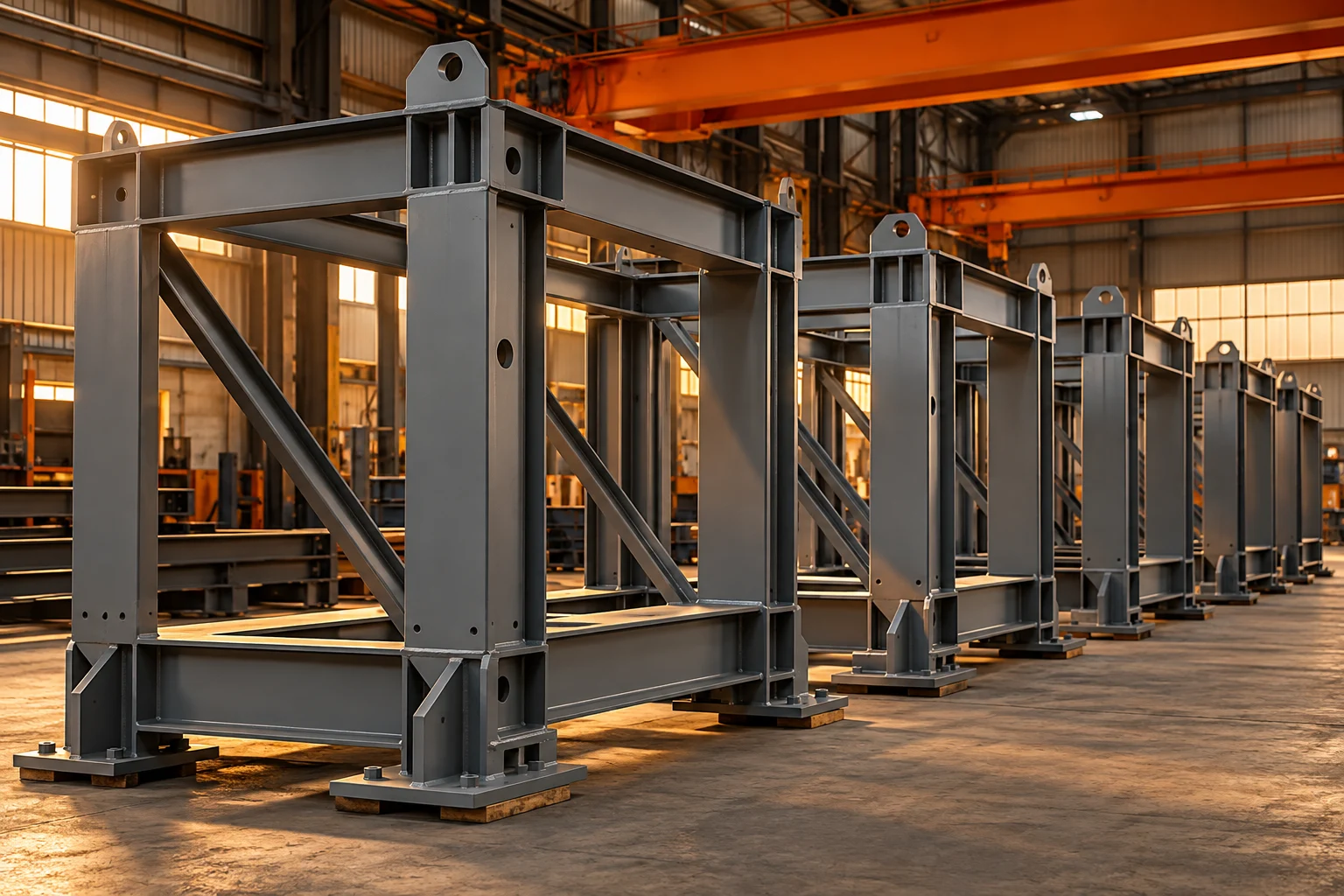
Touch-up supply for fabricated metal products
Fabricators often hand finished work through several stages before the customer receives it: coating, assembly, packing, transport and installation. A touch-up inquiry should identify where the damage occurred and what finish is on the part. That context is more useful than asking for a general-purpose can in a similar color.
IPD’s custom aerosol service serves commercial buyers who need matched paint in a defined batch. Its published single-order minimum is 24 cans, with smaller quantities potentially available for a fee. For repeat products and established production colors, the OEM program route adds a discussion of recurring supply and identification.
Describe the assembly and the repair location
Examples of fabrication inquiries might involve frames, brackets, housings or other coated metal assemblies. These examples describe potential purchasing situations, not an assertion that every substrate and coating is supported. Identify the actual material: carbon steel, aluminum and galvanized surfaces should not be collapsed into a single unspecified “metal” category.
Explain whether the repair is on a visible face, an edge, a fastener location or an area affected during assembly. Include the original coating and any specified primer. If welding, cutting or another fabrication operation has changed the surface, describe that condition for the technical reviewer rather than treating it as a minor appearance scuff.
Connect the shop record to the finish reference
A drawing may list the customer’s finish name while the coating shop uses a manufacturer code. Put both in the inquiry and explain which document controls the requirement. Include a representative sample where available and identify the person who can approve the proposed match.
For subcontracted coating work, request the original product details from the coating supplier or applicator. Avoid relying on a verbal description such as “satin black” when a precise specification exists. The touch-up specification checklist helps gather the information purchasing and technical teams need to share.
Plan the handoff from shop to installer
If touch-up paint will travel with the fabricated product, decide who receives it and how they will identify its intended use. A customer part number or project reference can be more useful than a color name alone when an installer handles several finishes at once.
Keep the approved repair instructions separate from informal workshop habits. The person applying the material should have access to the relevant product documentation and know which finish the can belongs to. For a private-label order, the label brief should include both branding and clear identification, with the final product information established for the supplied material.
Choose the purchasing arrangement around actual demand
| Fabrication need | Useful starting route |
|---|---|
| One project with a defined color | Single custom batch with project-specific quantities |
| Repeated assemblies in standard colors | OEM program discussion and reorder planning |
| Several customer-specific finishes | Color-by-color inquiry with separate references |
| Unknown or damaged original finish | Technical assessment before material selection |
Estimate demand from the number of affected products and the approved repair approach. This site does not publish a universal coverage-per-can figure. The amount required depends on the selected material and application, so do not translate a part count into a guaranteed can count without a suitable basis.
Keep acceptance practical and documented
Agree on who decides whether the repair is acceptable. A shop supervisor, customer inspector and installation contractor may have different responsibilities. Record the approved reference and any project-specific requirements before ordering a production quantity.
If the problem is extensive or repeated, investigate the cause rather than making touch-up the default answer. A matching color cannot demonstrate that a preparation, adhesion or coating-system issue has been resolved. The powder-coating touch-up page explains the distinction for coated parts where local repair is being considered.
Fabricator questions
Can a customer’s color code be used?
Include the complete code and its source, plus the original coating and finish. If a customer-approved physical sample controls the job, identify that sample as the reference.
Can the cans include our project or part number?
IPD describes customer part numbers and color identifiers in its labeling offer. Include the desired fields in the artwork discussion so the final label can be confirmed.
What is needed for a repeat order?
Send the earlier order and color identifiers and state whether the original coating, finish or application has changed. A repeated project name does not necessarily mean an unchanged paint specification.
How do we start?
Prepare the substrate, coating details, reference, repair description, quantity and delivery date. Then prepare a batch inquiry or discuss an ongoing production requirement.
LET’S GET THE DETAILS RIGHT
Your color.
Your next step.
Tell us what you’re finishing. We’ll start with the application.
Discuss your project