Private-label touch-up paint
Private-Label Touch-Up Paint
Keep the finishing detail connected to your brand with custom-labeled aerosol paint for your products and customers.
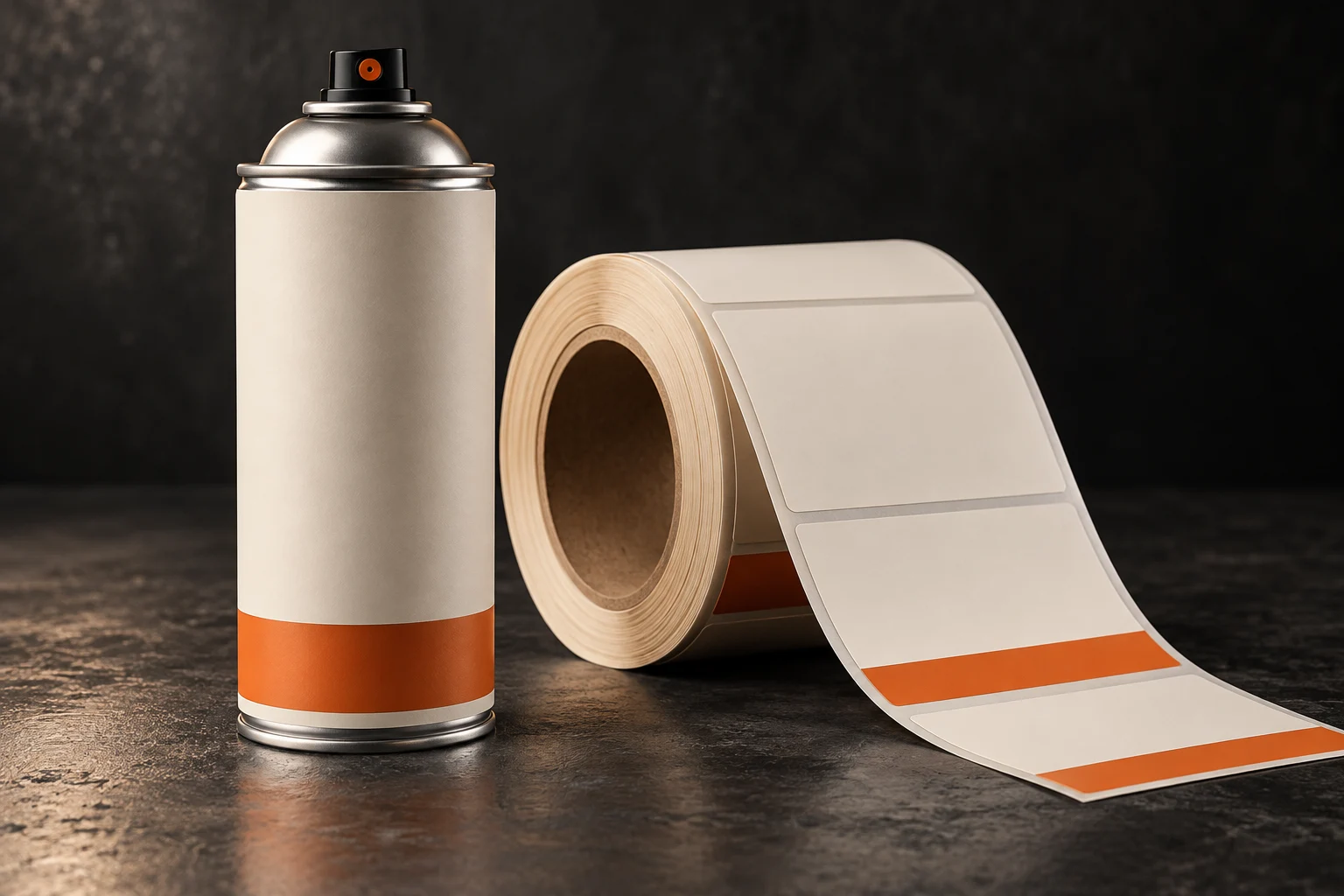
Custom-labeled touch-up paint for your products
Private-label touch-up paint puts your company’s identity on the aerosol can supplied with a product, stocked by a service department or ordered for an industrial job. IPD offers custom-matched paint and custom labels, so the branding discussion can happen alongside the color and application discussion.
A useful label does more than display a logo. It helps the recipient identify the intended finish and gives the next buyer a reference when another order is needed. For manufacturers with several product lines or production colors, consistent identifiers can make the packaging easier to use throughout purchasing, installation and service.
Define what the label needs to communicate
IPD’s published program description includes customer wordmarks, color names, part numbers and facility codes. Start with the information your customer or technician actually needs to distinguish this can from the others they may receive. Avoid creating several different names for the same approved finish across labels, purchase orders and internal records.
| Label element | Purpose |
|---|---|
| Brand identity | Connect the touch-up product to your business |
| Customer color name | Use the terminology your service and production teams recognize |
| Color or part identifier | Distinguish finishes with similar descriptive names |
| Product information | Identify the actual supplied material and applicable instructions |
| Batch information | Help trace the supplied can when questions arise |
These are planning categories. Final artwork, layout, available fields and required information must be established for the order. Do not assume that decorative design can replace product identification or safety information.
Prepare an artwork brief before designing the label
Collect your current logo, brand colors, preferred company name and any internal labeling conventions. Identify who owns the artwork approval and whether another department must review technical wording. If a product line already uses a part-number system, decide how the touch-up material should fit within that system.
Provide editable artwork if you have it, but ask IPD which file formats and dimensions it needs before paying for a finished layout. This website does not specify a label template or artwork standard because those details have not been published. A sample mockup should be reviewed at the intended printed size, where small identifiers may be harder to read than they are on a monitor.
Approve the paint and the artwork separately
An approved label does not establish an approved color match. Treat the visual design and the contents of the can as related but separate decisions. The paint brief should identify the original coating, color reference, gloss, substrate and repair environment. The artwork brief should identify how that approved product is named and presented.
For example, a manufacturer may call a finish “standard charcoal” internally. That label is useful only when it points to a clearly defined reference. Add a stable identifier so a later artwork refresh does not accidentally create uncertainty about the formulation. The color-matching process starts with the physical or specified finish, not with the color displayed in a brand-style guide.
Private label for a batch or a continuing program
IPD describes custom labels for both single orders and OEM programs. A single custom batch suits a defined purchasing need. An OEM program adds the discussion of repeat colors, replenishment and shipment planning. The published starting minimums are 24 cans for single orders and 96 for programs, with allocation across colors confirmed in the quote.
Choose the arrangement around demand rather than packaging alone. If a customer requests touch-up once for a one-off installation, recurring stock may not be necessary. If every production shipment requires the same labeled material, repeated artwork and color decisions should be handled as part of a documented program.
Think about the person who receives the can
The recipient may not be the person who placed the order. A procurement team can understand a purchase-order code that means little to an installer unpacking materials at a site. Use wording and identifiers that can be connected to the product or project without requiring a guess.
Decide where application instructions and technical documents will be obtained. If your own service documentation references the paint, keep that reference synchronized with the supplied product. A familiar brand name should never imply that the material is approved for every item your business manufactures. Different production coatings may need different repair decisions.
Control changes across later orders
Before reordering, check whether the brand artwork, part numbers or original production finish has changed. A label redesign can happen independently of a coating change, so record both. Include the earlier order details and explain which elements should remain the same.
For organizations with several facilities, identify the person authorized to approve changes. Consider a simple shared record containing the label version, customer color identifier, approved material and date of approval. This is a suggested customer-side practice, not a claim that IPD supplies a particular software portal or document-control system.
Private-label questions
Does private label mean a proprietary coating formulation?
Not necessarily. Custom labeling describes the presentation of the product; formulation ownership, exclusivity and confidentiality require a separate agreement. No exclusive rights are implied by a branded label.
Can you reproduce our existing label?
Provide the current artwork and explain the identifiers and product information it contains. IPD will need to confirm the available layout and any required changes for the supplied product.
Will the touch-up carry our product warranty?
Your warranty terms and approved repair procedure determine that question. Branding alone does not establish coating performance or warranty coverage.
What should the first inquiry include?
Send the application, quantity, color list, original coating information and a description of the branding needed. Include available artwork and the names of the people who will approve the material and label.
LET’S GET THE DETAILS RIGHT
Your color.
Your next step.
Tell us what you’re finishing. We’ll start with the application.
Discuss your project