Buyer’s guide
How to Specify Industrial Touch-Up Paint
The information to gather before requesting custom industrial touch-up paint.
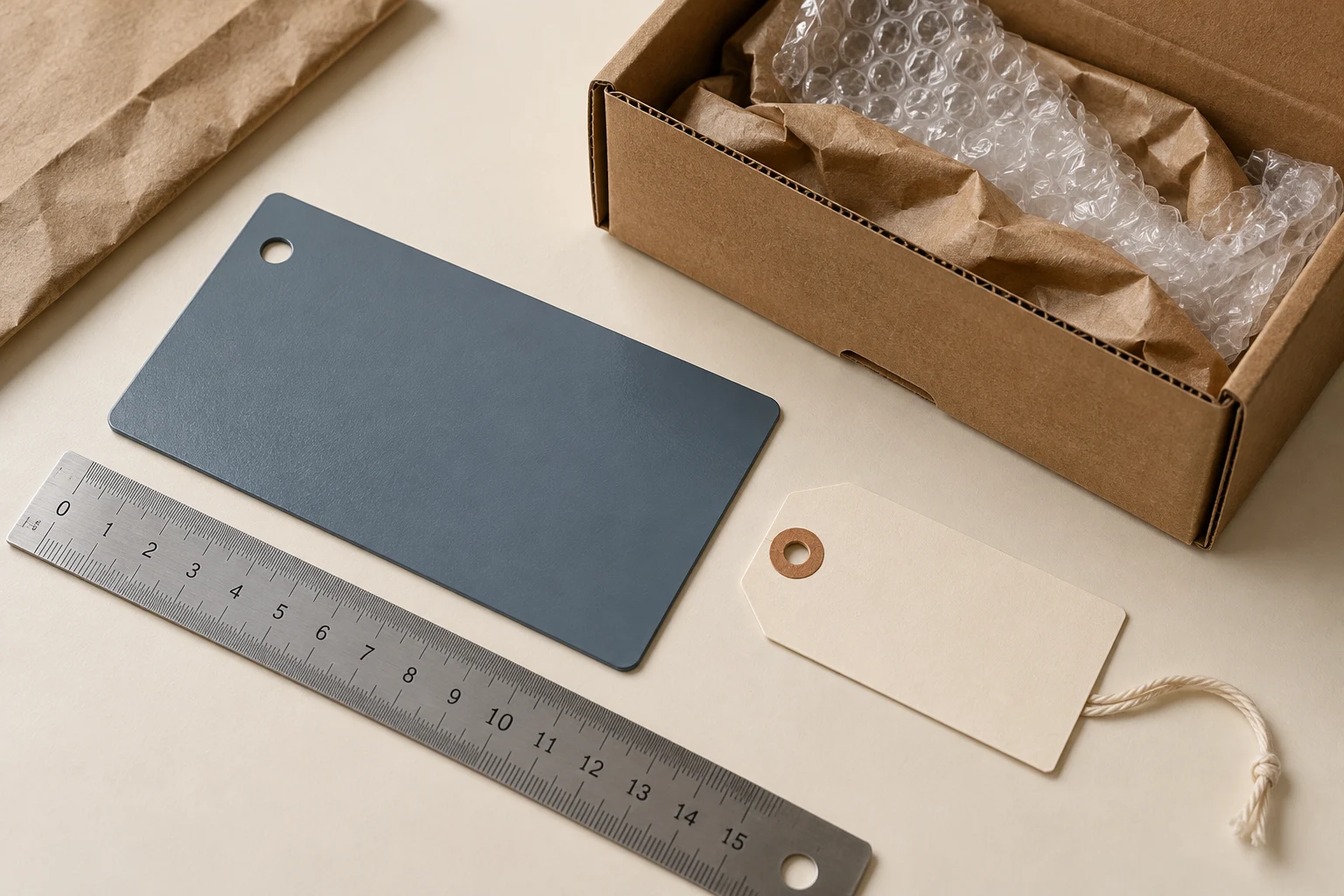
What to include in a custom touch-up paint request
A useful industrial touch-up specification identifies the surface, original coating, appearance reference, repair condition and purchasing requirement. Send those details together. A color number by itself may identify the intended appearance, but it does not explain which material is suitable, how much is needed or who will approve it.
This guide is a buyer’s information checklist, not a product-specific application procedure. Use it to organize the conversation between purchasing, production, quality and the paint supplier. Application instructions must come from the documentation and approvals for the actual coating system.
- Identify the product or component being repaired.
- Name the substrate and original coating where known.
- Provide the complete color reference, sheen and texture.
- Describe the damage and service environment.
- State quantity, labeling and delivery requirements.
- Identify the technical approver and the purchasing contact.
1. Identify the surface and original coating
Begin with the object: a fabricated frame, equipment housing, enclosure panel or another specific component. Name the substrate rather than describing everything as metal. Then provide the original coating manufacturer, product line and any primer or system information available from the production record.
If you do not know the original product, say so clearly. A drawing, supplier invoice, coating certificate or label from the original material may help recover the information. A missing detail is better identified as unknown than replaced with a confident guess that later becomes part of the quote.
For an assembly with more than one finish, create separate entries. Two adjacent parts can share a customer color name while having different coating products or substrates. Keeping those entries distinct allows the technical reviewer to evaluate each intended use instead of assuming one material covers the whole assembly.
2. Define the appearance reference
Include the full color identifier and its source. State whether the target comes from a recognized color reference, the coating manufacturer’s catalog, a customer-approved panel or an existing finished part. If several references are supplied, explain which one controls acceptance.
Describe gloss and texture using the original specification where possible. Note metallic or special-effect finishes at the outset. If a physical sample is available, identify its condition and the intended reference area, then confirm shipping arrangements before sending it.
Separate photographs from the actual color standard. Photos are useful for showing where damage occurs, how large the repair is and what the overall object looks like. They should not silently become the only reference for a critical match. The color-matching service page explains how IPD’s matching inquiry can be prepared.
3. Describe the repair and the environment
Explain whether the issue is a small mark, a localized loss of finish, exposed substrate or a wider area of coating distress. Include approximate dimensions or a scale in the damage photograph. The person reviewing the request needs to distinguish an appearance correction from a problem requiring investigation of the original system.
State where the product is used and whether a project specification governs the repair. If an approved repair product or procedure already exists, send it. Do not assume that a matching color establishes equivalent protection or approval. For powder-coated parts, review the touch-up evaluation page before treating a liquid repair as interchangeable with the original finish.
Also identify who will apply the material. A factory quality team, installation contractor and end-customer maintenance department may need different documentation and handoff arrangements. This information helps scope the supply request; it does not replace the applicator’s responsibilities under the applicable instructions.
4. Break quantities down by color and use
Write quantities as individual line items when several colors or formulations are involved. A request for “96 cans in our standard colors” leaves the supplier to guess how many of each are needed. Instead, list each identifier and its proposed quantity, then ask the quote to confirm how minimums apply.
IPD’s published starting quantities are 24 cans for single orders and 96 for OEM programs. Smaller single batches may be available with a fee. These figures do not establish a minimum per color or a universal rule for mixing colors within an order; that allocation requires confirmation.
Distinguish estimated annual demand from the first order. A purchasing team may want to discuss recurring volume while only needing a smaller initial release. State both figures and avoid presenting a forecast as a committed order. Use the program route for that discussion and the batch route for a defined single requirement.
5. Add labeling and delivery requirements
Explain whether the cans should carry customer branding, a project reference or a part identifier. Supply the relevant artwork and identify who can approve it. The labeling brief separates design decisions from approval of the paint itself.
Include the delivery destination, receiving contact and required arrival date. If paint is intended to accompany a product shipment, explain the build schedule. Request a specific timing commitment after the material, sample review and artwork scope are understood. A proposed dispatch date is not the same as a confirmed arrival date.
Ask the quote to identify what is included. Product selection, quantity, labels, approvals and delivery should be understandable together. When comparing suppliers, compare the same scope rather than only the apparent price per can.
Worked example: turn a vague request into a usable brief
Vague request: “We need gray spray paint for some equipment. Can you quote 48 cans?” It supplies a color description and quantity, but not a reference, coating or application.
More useful request: “We are preparing a 48-can inquiry for touch-up on newly coated equipment housings. The original coating product and manufacturer color code are attached. The specified finish is satin, and an approved production panel is available. The proposed use is localized handling damage before delivery. Our quality contact will review the material and match. Please quote the available batch quantity, customer part-number labeling, approval process and delivery to our shop.”
This is an illustrative example, not an actual IPD order or a promise that the described material is suitable. Its value is the structure: known details are supplied, the proposed use is explained, and the unresolved commercial and technical decisions are explicit.
6. Record the approval and retain the reference
Before ordering, distinguish approval of price, appearance, material suitability and label artwork. The same person may not be authorized to approve all four. Record the relevant names or roles so a request can reach the right person without being passed around after the order is underway.
Retain the accepted color reference, final label and supplier order identifiers. For a reorder, state whether the original coating, application and branding are unchanged. If one has changed, explain the change directly. A previous order is useful context, but it is not automatic approval for a new substrate or service environment.
Before you send: a final purchasing checklist
- Product or project name and component description.
- Substrate, original coating and applicable specification.
- Color code, sheen, texture and available physical reference.
- Damage description and photographs showing scale and location.
- Quantity by color and one-time or recurring demand.
- Brand artwork and required label identifiers.
- Destination, requested arrival date and receiving contact.
- Technical approver, purchasing contact and required documents.
You do not need every answer to begin a conversation. Mark unknown items explicitly and identify where the information may be available. Use the inquiry builder to prepare an email, then attach photographs, specifications or artwork in your email application before sending.
Further reading: Carboline: Carbocoat 8215 product documents; TIGER: touch-up recommendations. Manufacturer guidance applies to the products and conditions it describes.
LET’S GET THE DETAILS RIGHT
Your color.
Your next step.
Tell us what you’re finishing. We’ll start with the application.
Discuss your project