For modular building manufacturers
Touch-Up Programs for Modular Buildings
Custom-matched aerosol programs for suitable repairs on coated modular structures and enclosures.
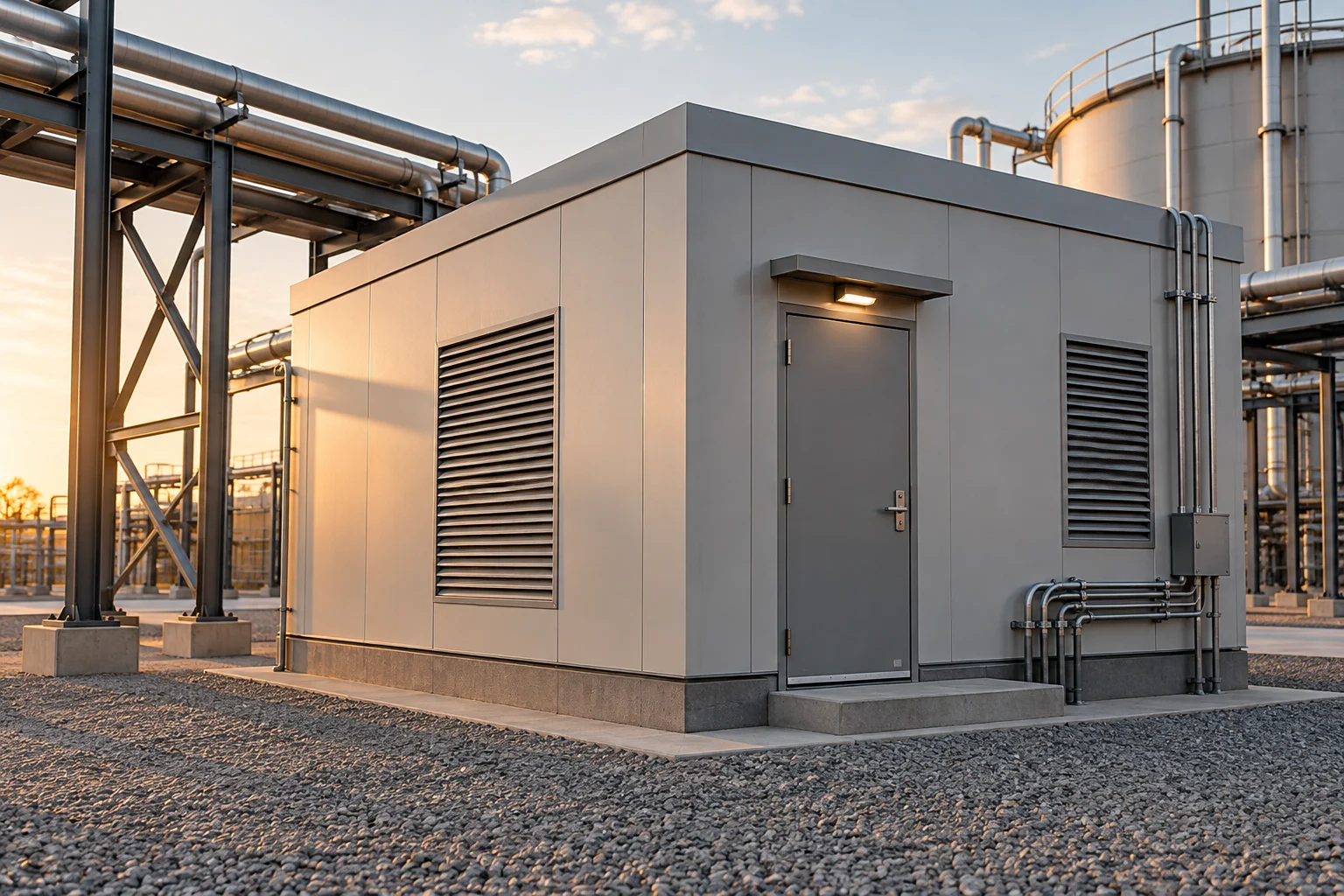
Touch-up supply for structures that travel from yard to site
Modular buildings and industrial enclosures pass through transport and installation after their factory finish is applied. When touch-up is needed, the receiving team benefits from knowing which material belongs to the structure and which repair requirements apply. IPD describes OEM programs built around customer colors, branded aerosol cans and supply associated with outbound builds.
This page is for manufacturers and purchasing teams planning that handoff. It is not a specification for every modular structure or enclosure. Start with the original coating system, project requirements and the intended repair locations, then determine whether the proposed touch-up material is appropriate.
Keep the paint reference connected to the project
A building may contain multiple finishes on its external panels, doors, frames and other components. Identify each separately where the specifications differ. A single project color name should not conceal differences in coating product, sheen or substrate.
Prepare a finish schedule that associates the relevant component with its coating and color reference. Include the customer or project identifier used by purchasing and installation teams. If a contractual specification names an approved repair material or process, provide it with the inquiry rather than expecting a color match to satisfy the specification automatically.
Plan for the installation handoff
Decide where touch-up materials should be delivered and who is responsible for receiving them. Paint sent to a fabrication yard can become separated from the particular structure it belongs to unless the handoff is defined. Conversely, a direct-to-site shipment needs a confirmed destination and receiving contact.
IPD’s published program description includes delivery to a customer yard, warranty department or customer site. Discuss which route suits the build schedule. Separate the required arrival date from the building’s dispatch date, and identify any approvals needed before the paint order can proceed. Do not assume that a new color and a previously approved reorder have identical lead times.
Review exposure and coating-system requirements
An enclosure’s location and service conditions matter to the material selection. Tell the technical reviewer whether the proposed repair is inside or outside, what the original coating system is, and which project requirements govern it. Provide the specification rather than relying on broad descriptions such as “industrial grade” or “offshore suitable.”
A liquid aerosol that is visually close to the original color does not establish equivalent protective performance. Where a repair requires engineering, customer or coating-manufacturer approval, obtain that approval for the actual material and procedure. The technical-document page helps distinguish product information from application-specific acceptance.
Build a quantity and identification plan
| Planning item | Question for your build team |
|---|---|
| Finish list | Which components and approved colors need touch-up supply? |
| Quantity | Is the requirement tied to one project or repeated builds? |
| Label | Which project, part and color identifiers will the installer recognize? |
| Delivery | Who receives the material and when is it required? |
| Approval | Who confirms the repair material and appearance expectations? |
The OEM program has a published 96-can minimum. A defined job can also begin as a single custom order, with a published 24-can minimum. Confirm how the quote treats multiple colors and any special delivery arrangement.
IPD’s published Hunter Buildings example
IPD names Hunter Buildings in its description of an ongoing OEM program. The published account connects color-specification onboarding with customer-branded cans supplied alongside building shipments. That is a relevant example of organizing touch-up around the manufacturer’s product flow.
The program summary describes the available evidence without adding unverified savings or technical performance claims. The illustrative images on this website are not photographs of Hunter’s facilities or proof of a completed repair. Product and project suitability still need to be established for each application.
Modular-building and enclosure questions
Can one program cover several project colors?
Provide a color-by-color list with expected quantities and the relevant coating specifications. The program quote should make allocation and minimums clear.
Can a site installer use the can as soon as it arrives?
The installer needs the appropriate product documentation and the approved repair procedure. Delivery of material does not replace technical approval or site requirements.
Can the label identify the building or project?
IPD offers customer identifiers as part of its labeling discussion. Specify the information needed by receiving and service teams, then confirm the final artwork.
What is the next step?
Prepare the finish schedule, quantities, approval contacts and delivery requirements. Use the specification checklist before sending a program inquiry.
LET’S GET THE DETAILS RIGHT
Your color.
Your next step.
Tell us what you’re finishing. We’ll start with the application.
Discuss your project